
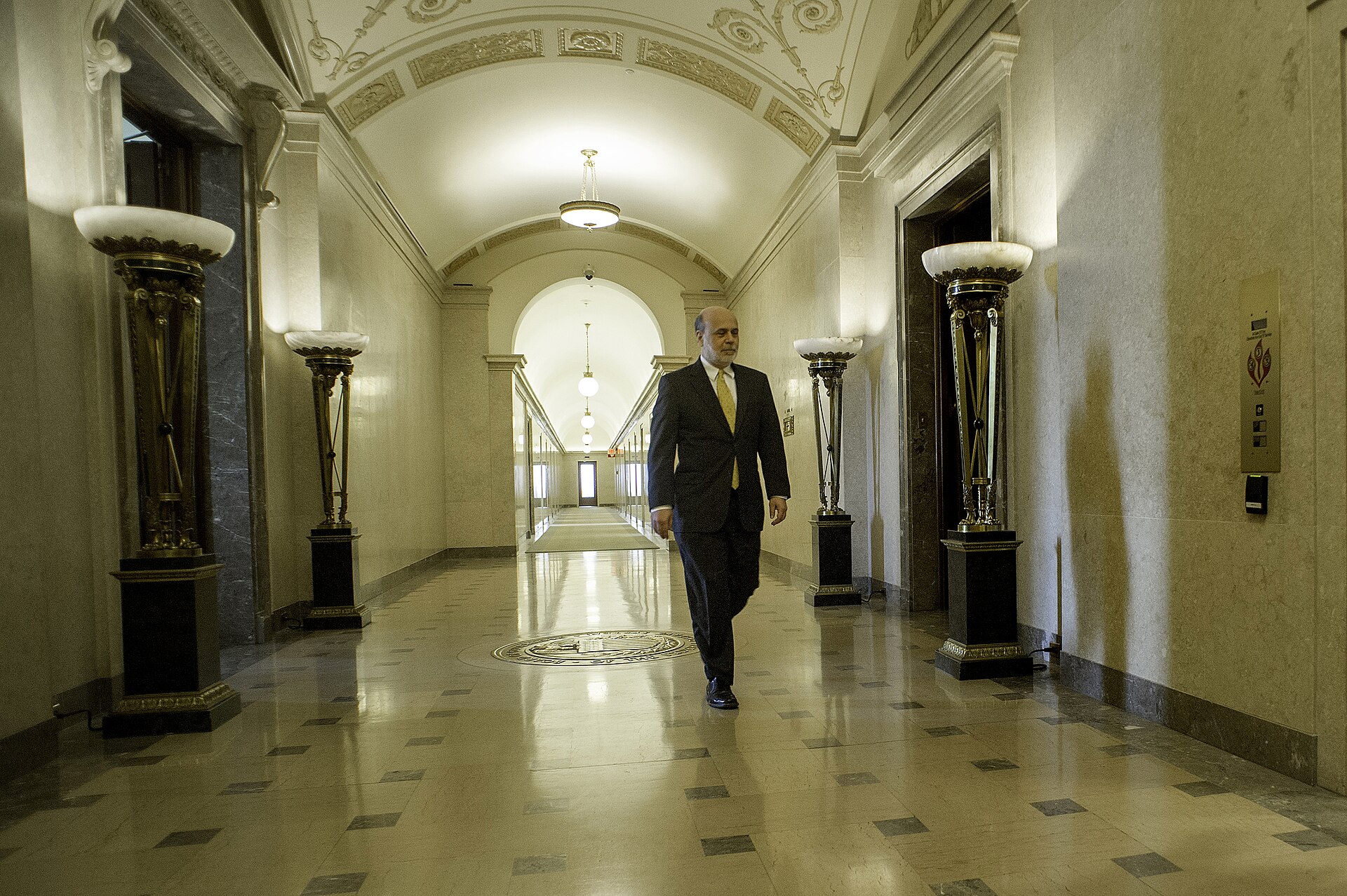


Fed Chair Warsh flags super-intelligence in productivity task force
The announcement guides all Federal Reserve policy work starting immediately, as the Board evaluates AI's impact on productivity and monetary strategy.
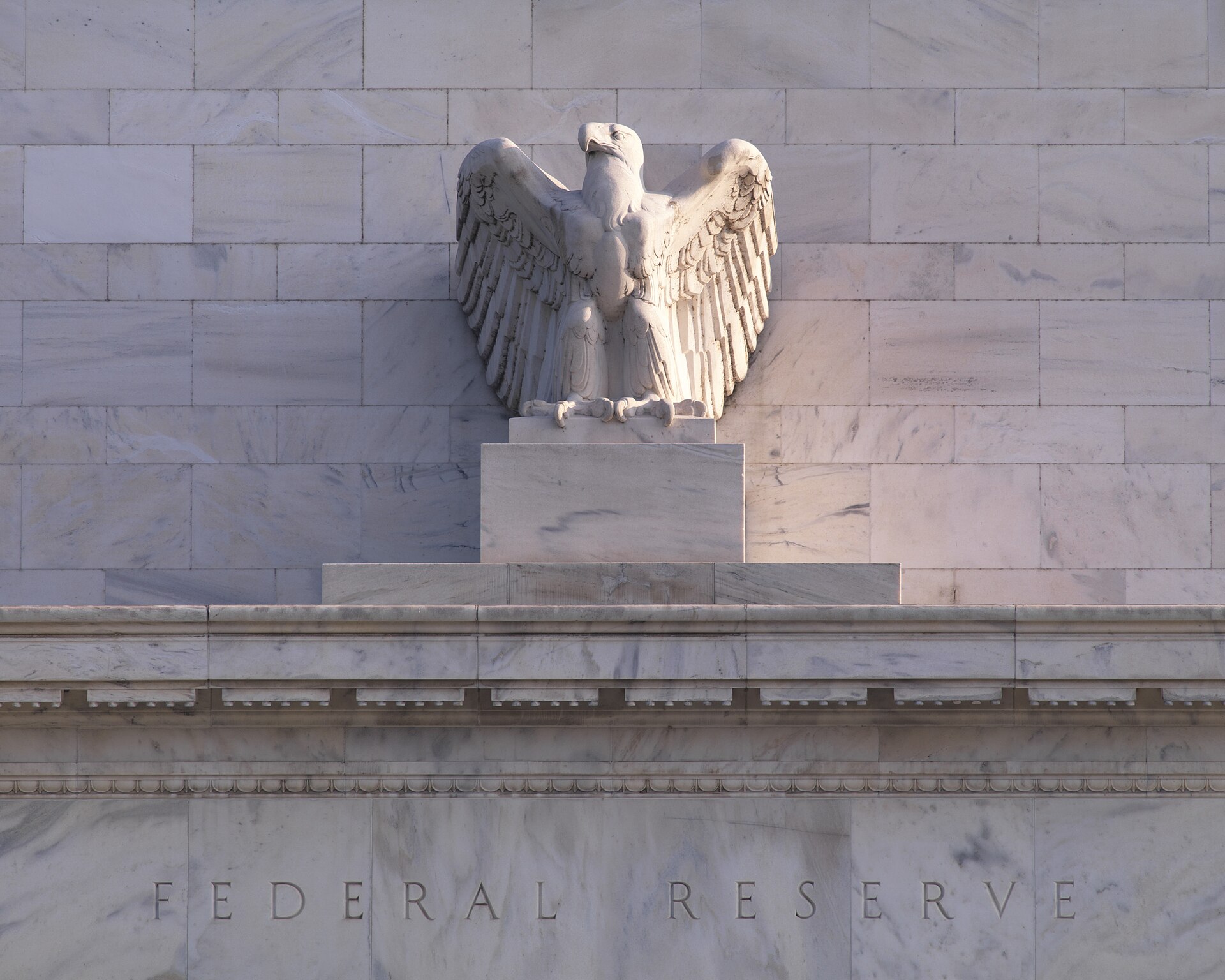
Federal Reserve Chairman Kevin Warsh told the Productivity and Jobs Task Force conference that the Board will now embed considerations of "super intelligence" (SI) into its agenda, a shift that will shape every Fed policy deliberation.
Warsh described SI as a general-purpose technology that is driving the marginal cost of satisfying limitless curiosity toward zero. He said the technology could "supercharge idea generation" and alter the speed of innovation, potentially raising long-run growth well above historical averages.
Citing research that shows research productivity has fallen even as "research efforts have increased more than 20 times since the 1930s," Warsh linked the slowdown to slower population growth and the resulting fewer new ideas, a dynamic often cited in discussions of secular stagnation.
The Board's staff has begun to model three illustrative scenarios: first, SI fuels a broad productivity surge that keeps the economy near full employment; second, SI raises GDP but triggers labor-market disruption that pushes unemployment above full-employment levels; third, SI disappoints, leading to a slowdown, lower equity valuations and higher unemployment. Warsh stressed these are scenarios, not forecasts.
Concluding, Warsh said the task force will focus on asking the right questions and developing contingency plans, noting that SI poses both opportunities and risks to critical infrastructure and future monetary policy. The Fed's approach will be to monitor magnitude, scope and timing of SI's economic impact while maintaining its core mission of price stability and maximum employment.
Further reading