
Fed Vice Chair outlines policy stance amid overlapping energy, trade and AI shocks
Jefferson's July 16, 2026 speech to a Brazil-IMF conference sets the Fed's approach to balancing inflation and employment as multiple shocks converge.
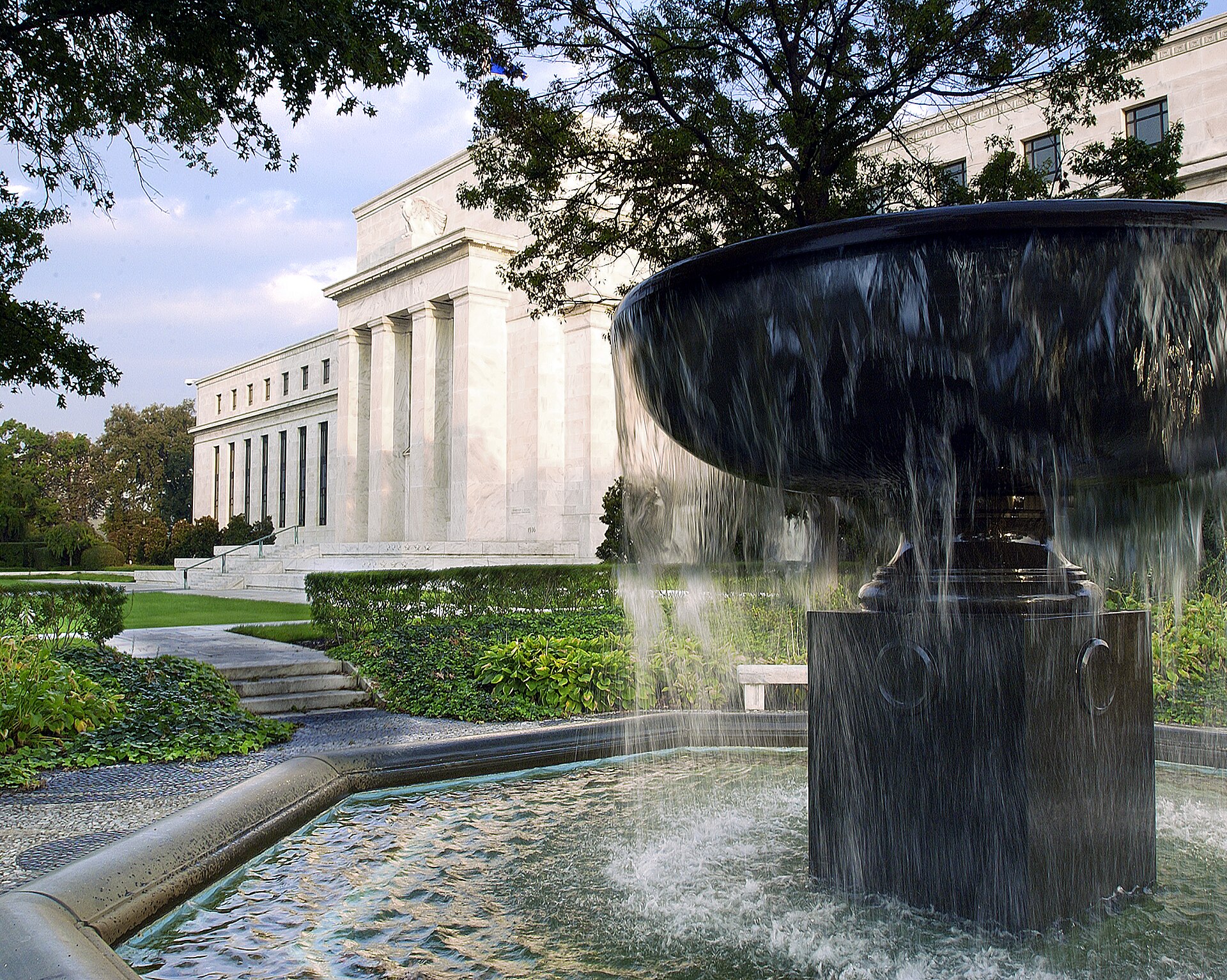
Vice Chair Philip N. Jefferson told a conference hosted by the Central Bank of Brazil and the International Monetary Fund on July 16, 2026 that the Federal Reserve will calibrate monetary policy to address both demand- and supply-side disturbances. He classified recent events - pandemic fallout, rapid energy-price increases linked to Middle-East tensions, trade-policy shifts and a breakthrough in artificial intelligence - as the primary shocks confronting central bankers.
Jefferson explained that demand shocks affect household, business or government spending without altering productive capacity, while supply shocks change potential output by influencing labor, capital or productivity. When a shock moves the output gap and inflation in the same direction, policy actions support both objectives of the Fed's dual mandate. By contrast, an energy-price shock that raises inflation while dampening real incomes creates a trade-off, requiring the Fed to weigh the costs of missing each goal.
The rapid adoption of AI, Jefferson noted, represents a "dual-shock" that is expanding demand for data-center equipment and advanced computing while also promising future productivity gains that could lower inflation. He cautioned that AI-driven automation may displace workers in the short term, but could also generate new jobs and firms over time.
Jefferson concluded that the Fed's goal remains "to restore price stability while maintaining a solid labor market," emphasizing that policy must stay attentive to the simultaneous evolution of energy, trade and AI dynamics. The speech underscores the central bank's intent to keep its stance appropriately calibrated as these shocks unfold.
Further reading