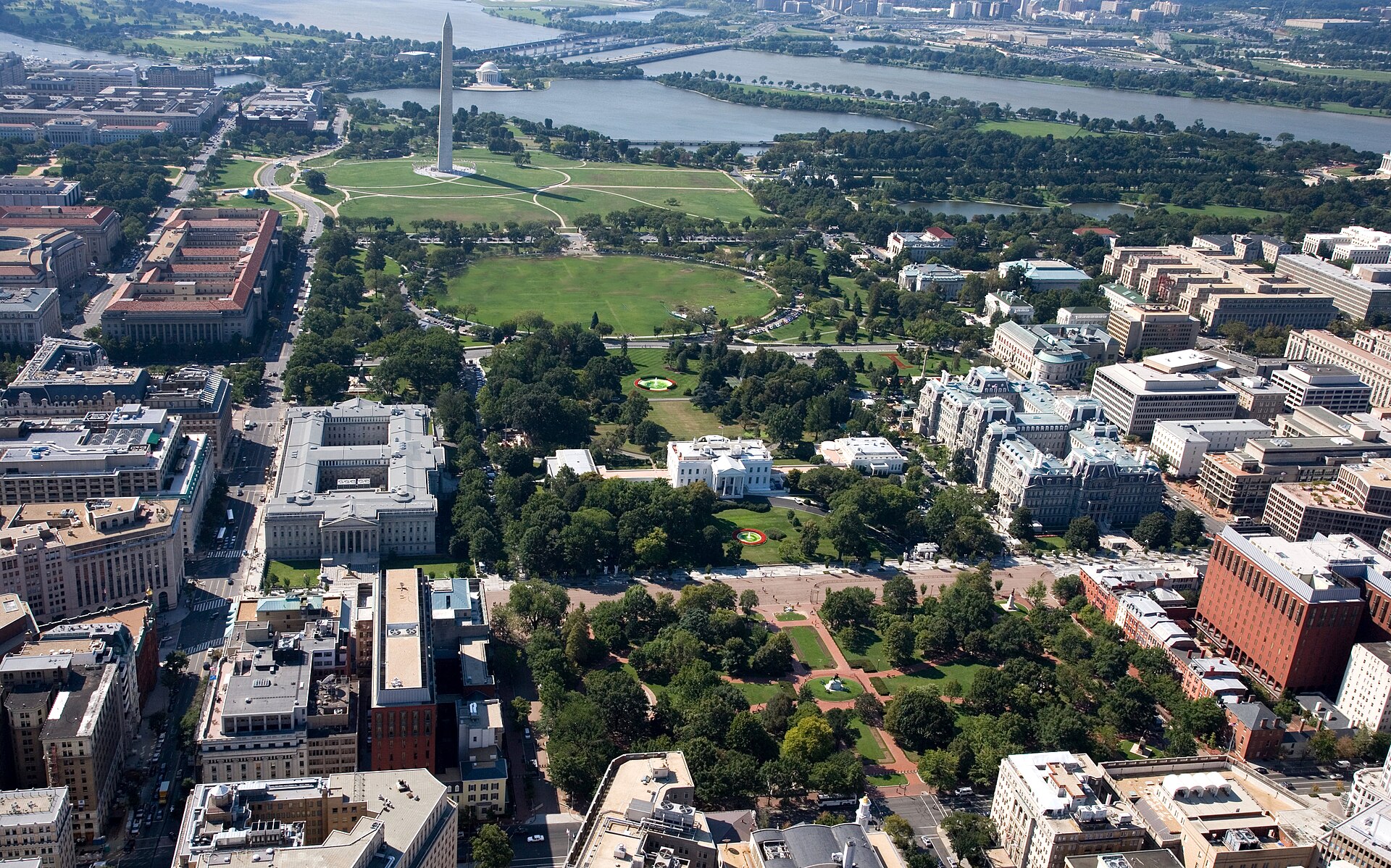
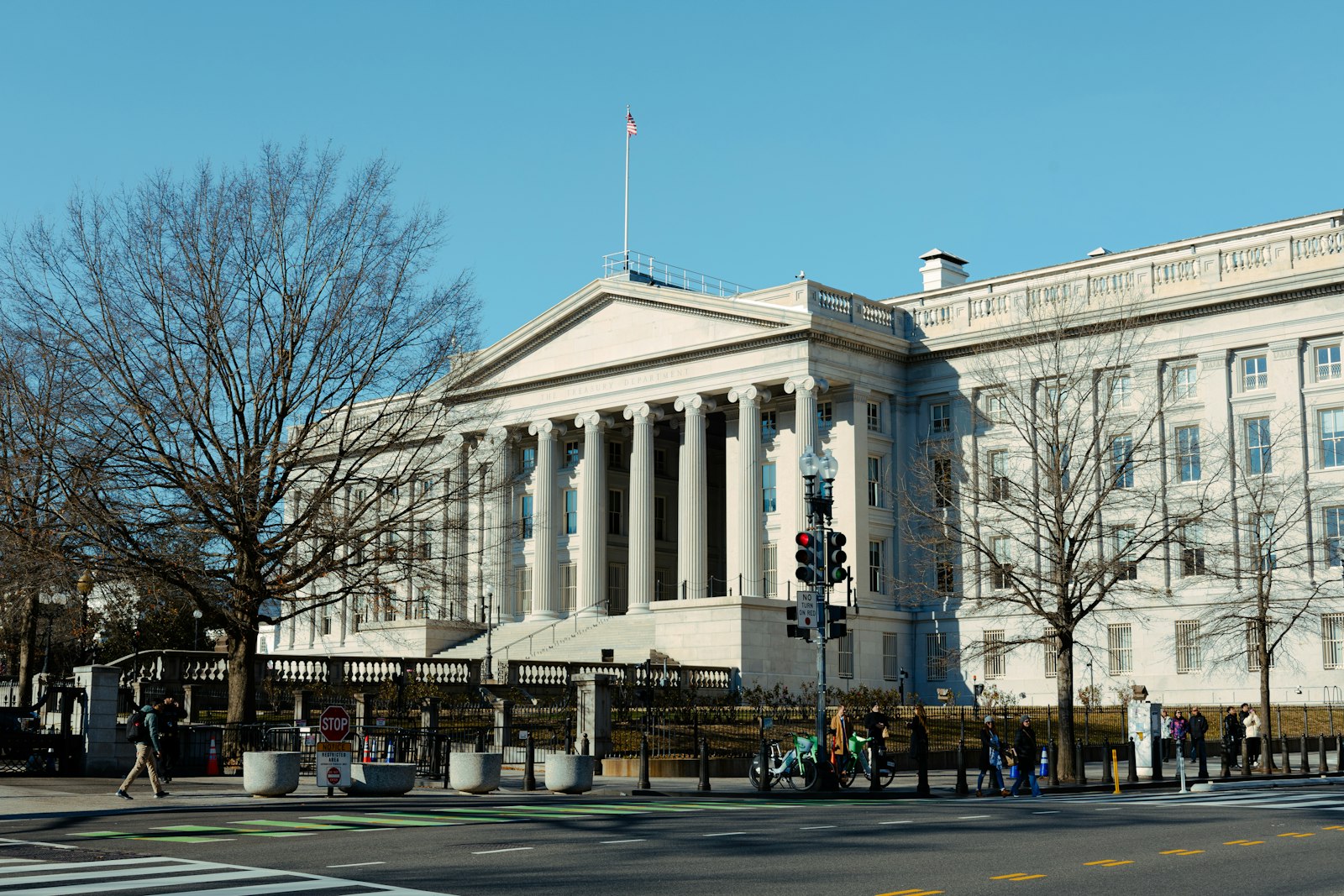
President signs order to cut disease-carrying pests in DC
The order obligates the Interior, Agriculture, EPA, GSA and HHS to launch a DC-wide campaign aiming for a 90 % drop in invasive mosquitoes and a 50 % drop in ticks by 2028.
Executive Order 14433, signed on September 29, 2026 (FR Doc No. 2026-20320), directs the Secretaries of the Interior, Agriculture, the Administrator of the Environmental Protection Agency, and the Administrator of General Services, in consultation with the Secretary of Health and Human Services, to develop and implement a campaign across the District of Columbia. The campaign must achieve, by 2028, a 90 % reduction in Asian tiger, Egyptian and other invasive mosquito populations and a 50 % reduction in tick populations, with further reductions as practicable.
Within 60 days, the agencies must remediate breeding grounds on federal lands, control host reservoirs such as rodents and deer, and prioritize commercial or cooperative deployment of advanced technologies, including sterile-insect techniques and other safe biotechnologies. The EPA, in consultation with Agriculture and HHS, must submit to the President a regulatory framework for developing and releasing these technologies, aligned with Executive Order 14292 of May 5, 2025.
The Secretary of Health and Human Services, building on the Lyme Disease Moonshot, must issue prize competition announcements for rapid diagnostics, prophylactics and therapeutics for tick- and mosquito-borne diseases, and review immunotherapy options for alpha-gal syndrome. The Secretary of Agriculture, in coordination with Interior, HHS and EPA, must likewise issue prize competitions for non-chemical control methods and explore labeling options for foods and drugs containing significant alpha-galactose.
The order references Executive Order 14252 (DC Safe and Beautiful) and requires inter-agency coordination, including review of resources with the Office of Management and Budget. It affirms that the order does not impair existing agency authority, is subject to appropriations, and that publication costs are borne by the Department of the Interior.
Further reading