
IRS proposes to strip tax-exempt status from discriminatory private schools
Private schools will lose federal income-tax exemption unless they adopt nondiscriminatory policies, starting with tax years after May 31 2027.
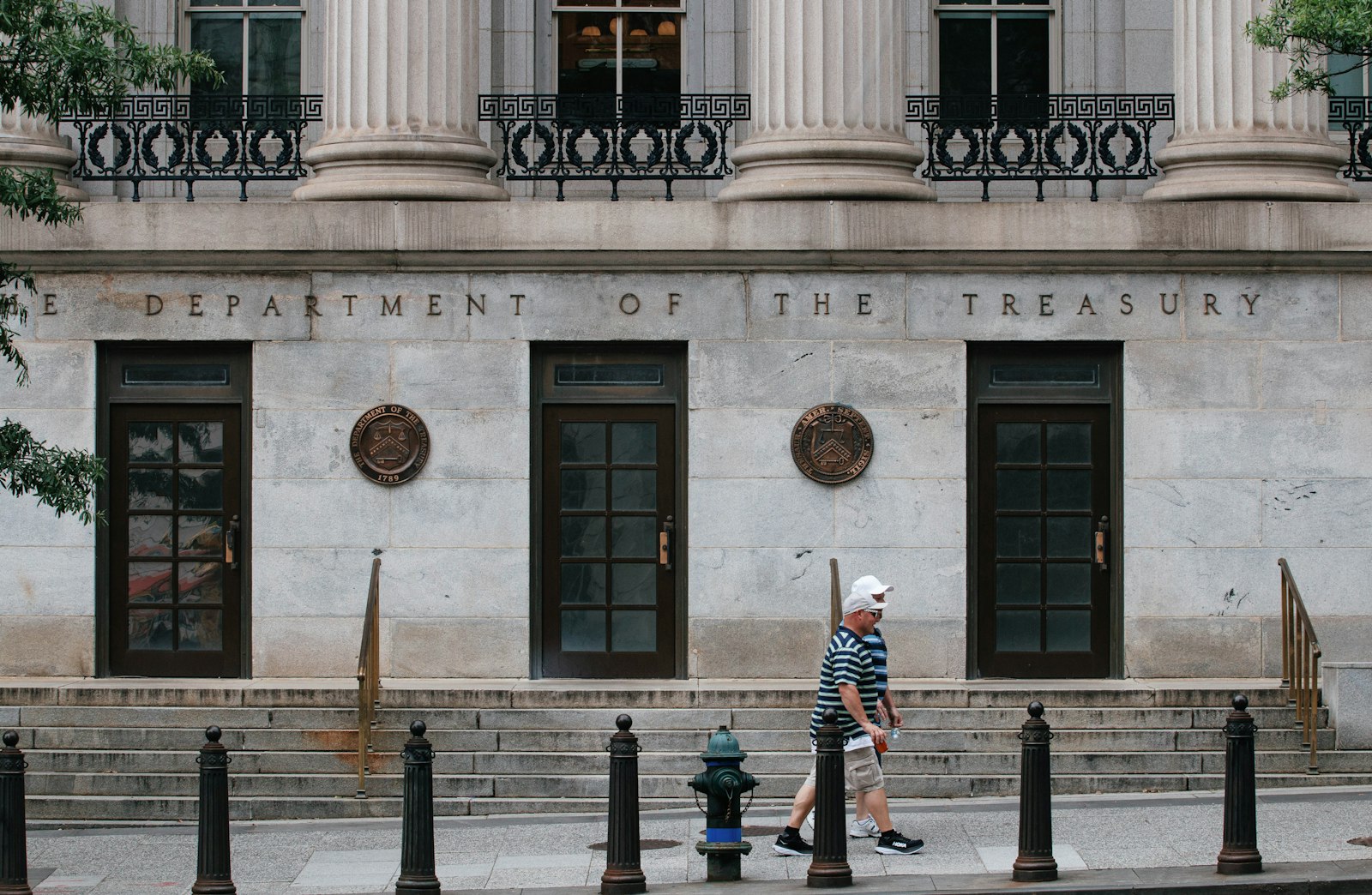
The Internal Revenue Service issued a notice of proposed rulemaking (Reg. 119986-25, RIN 1545-BS05) that would add a new Sec. 1.501(c)(3)-2 to the Income Tax Regulations. Under the proposal, a private school that discriminates on the basis of race, color, or national or ethnic origin in its educational, admissions, scholarship, athletic, or other policies would no longer be described as an organization exempt from Federal income tax. The rule would apply to private schools in taxable years beginning after May 31 2027, after the final regulations are expected to be published.
Comments and requests for a public hearing must be received by November 3 2026. The agency urges electronic submission via the Federal eRulemaking Portal at regulations.gov, indicating IRS and Reg. 119986-25. Paper comments may be mailed to CC:PA:01:PR (REG-119986-25), Room 5503, Internal Revenue Service, P.O. Box 7604, Ben Franklin Station, Washington, DC 20044. For questions about the proposed regulations, the Office of Associate Chief Counsel can be reached at (202) 317-6000; for comment-submission matters, the Publications and Regulations Section is available at (202) 317-6901.
The proposed amendments are issued under the authority of section 7805(a) of the Internal Revenue Code, which empowers the Secretary of the Treasury to prescribe rules necessary for tax enforcement. The notice references a longstanding federal policy against racial discrimination in education, citing Supreme Court decisions such as Brown v. Board of Education and Runyon v. McCrary, as well as the 1971 district-court order in Green v. Connally that barred the Treasury from recognizing tax-exempt status for private schools lacking nondiscriminatory policies.
The IRS's earlier revenue ruling 71-447, issued in 1971, already defined a "racially nondiscriminatory policy as to students." The proposed rule codifies that guidance, reinforcing that charitable and educational organizations must operate without racial discrimination to qualify for exemption under section 501(c)(3).
Further reading