DOE Orders Midwest Coal Plant to Remain Operational
The order binds MISO and Consumers Energy to keep the 1,420-MW J.H. Campbell plant running from Aug. 17 to Nov. 14, 2026.
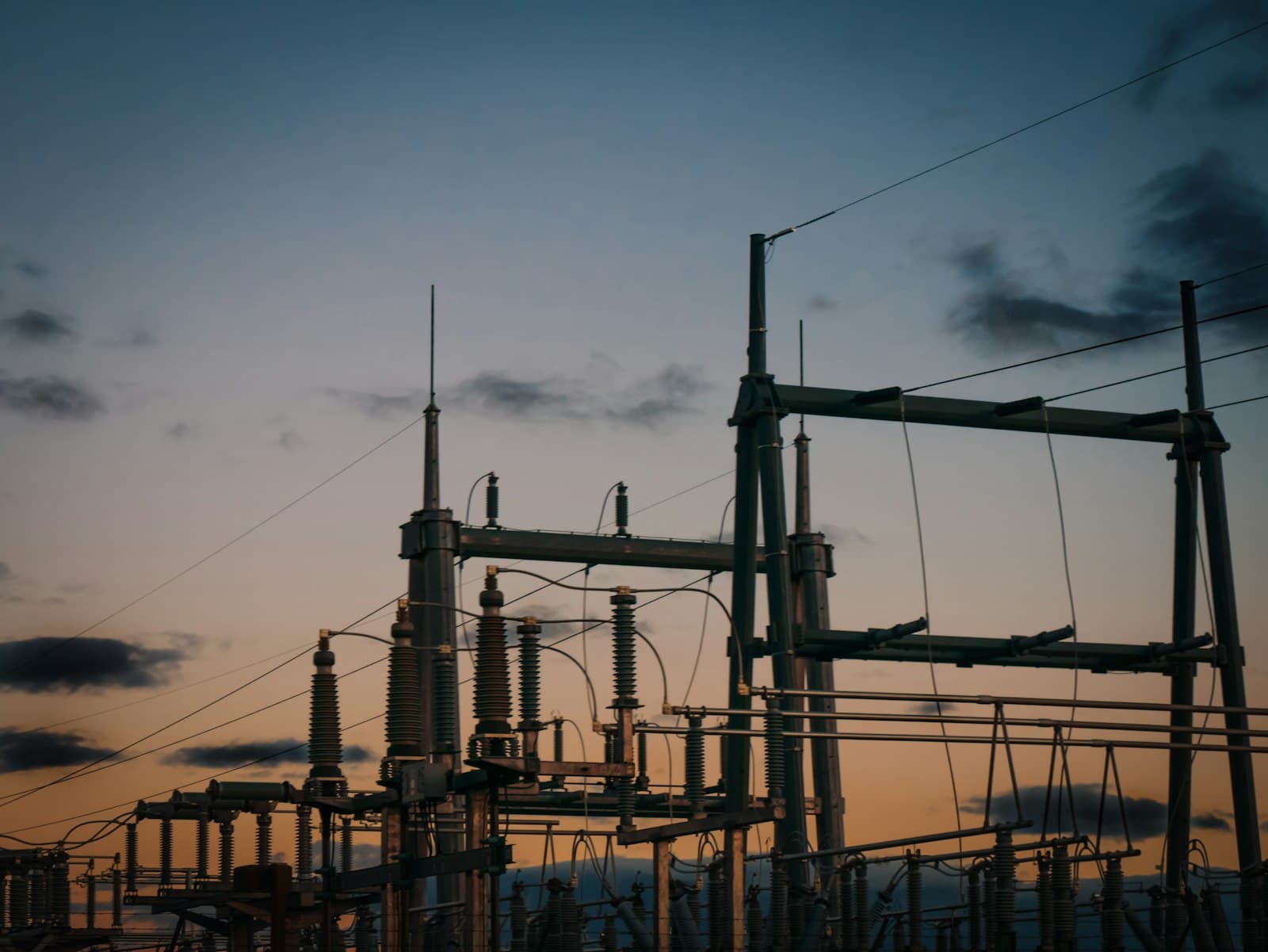
U.S. Secretary of Energy Chris Wright issued an emergency order directing the Midwest Independent System Operator, in coordination with Consumers Energy, to ensure that the 1,420-megawatt J.H. Campbell coal-fired power plant in West Olive, Michigan remains available to operate and to employ economic dispatch to minimize costs. The order is effective beginning on August 17, 2026, through November 14, 2026.
The Campbell Plant was originally scheduled to shut down on May 31, 2025, fifteen years before the end of its scheduled design life. DOE's original order, issued on May 23, 2205, and subsequent orders throughout 2025 and 2026, have kept the plant in service. The plant has proven critical to MISO's operations, operating regularly during periods of high energy demand and low levels of intermittent energy production.
"President Trump and the Energy Department remain committed to doing everything in our power to mitigate the possibility of power outages for American families and businesses," Secretary Wright said. "Ensuring coal plants such as the Campbell Plant are available to operate during periods of high electricity demand saves lives. Americans deserve access to affordable, reliable, and secure electricity regardless of whether the wind is blowing or the sun is shining."
In January 2026, the North American Electric Reliability Corporation released its 2025 Long-Term Reliability Assessment, finding the MISO region at high risk of energy shortfalls over the next five years. The corporation's 2026 State of Reliability, issued June 4, 2026, noted that "shoulder reasons have become increasingly challenging for bulk power system operators to manage, resulting in several recent instances of pre-contingent load shedding."
DOE's Resource Adequacy Report warned that, prior to President Trump's election, the United States was on track to experience 100 times more blackouts in 2030 due to premature shutdowns of reliable generation and rising demand. In 2025, more than 17 gigawatts of coal-powered electricity generation were saved from going offline.
Further reading