

GAO Report Finds Revised Opportunity Zone Rules May Improve Targeting
States, investors and low-income communities are bound by the 2025 OBBBA revisions to the Opportunity Zone tax incentive.
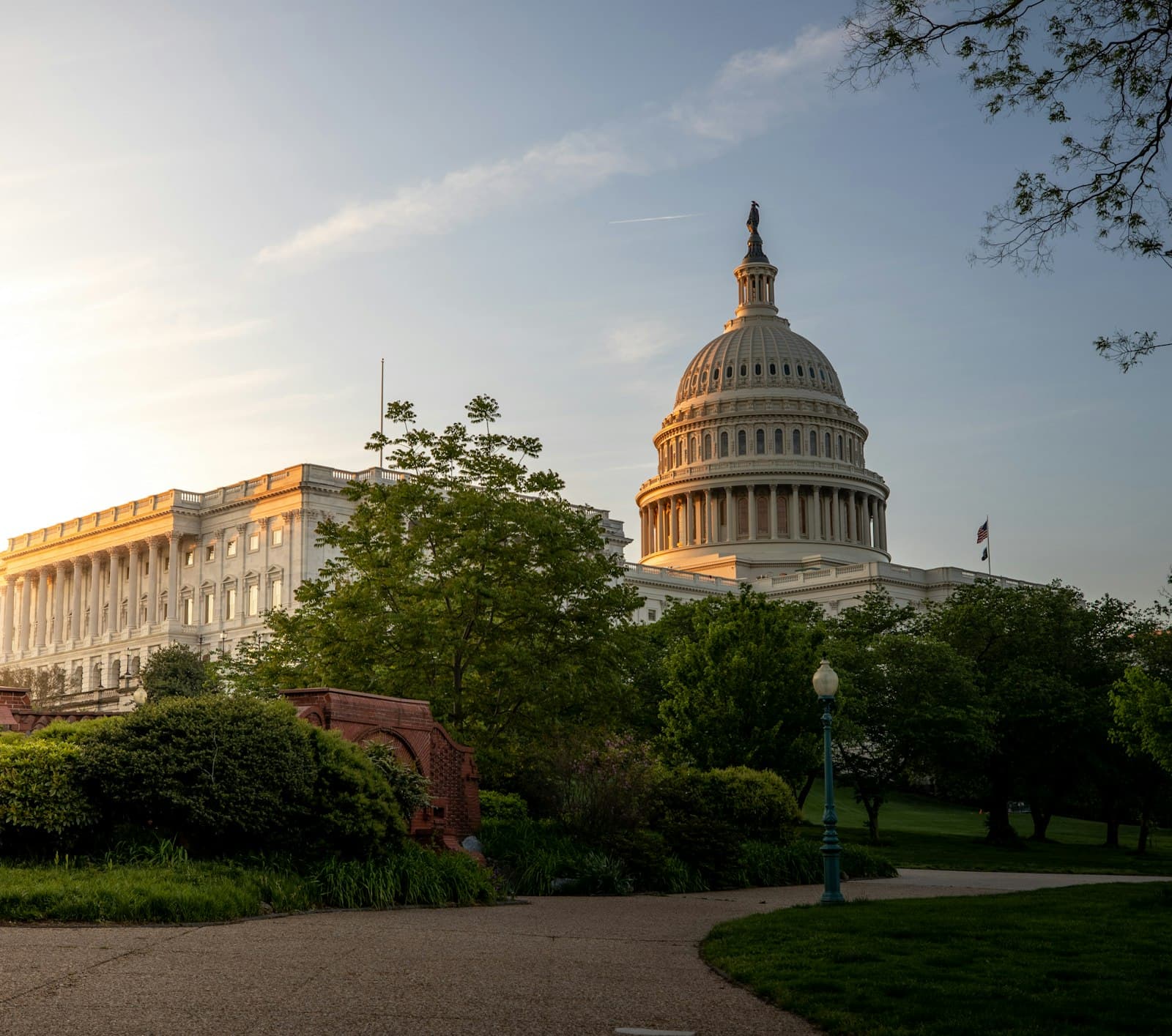
The Government Accountability Office reports that Qualified Opportunity Zones - census tracts nominated by governors and designated by the Treasury - have lower incomes and higher poverty rates than other tracts. The One Big Beautiful Bill Act (OBBBA) changed eligibility criteria, resulting in fewer tracts eligible for future designation and, according to some states and subject-matter specialists, better targeting of the tax incentive to the most distressed areas.
Stakeholders, including state officials and Qualified Opportunity Fund representatives, say the original incentive has been channeled mainly into real-estate development in urban zones that possess infrastructure and community support. The revised law adds a new category of zones composed entirely of rural areas and provides distinct tax benefits for investments there, though stakeholders remain uncertain about the magnitude of any resulting rural investment.
Survey responses indicate that roughly 20 percent of states observed increased job creation and housing as outcomes of Opportunity Zone investment, while the majority of states expressed uncertainty about broader economic effects.
OBBBA also makes the incentive permanent and imposes new reporting requirements on funds and the Treasury. These requirements will require Treasury to report on investment characteristics, giving the government and public clearer data on where and how funds are deployed. The act also extends the timeframe states have to nominate census tracts, allowing more informed selection.
GAO's analysis combined Census data on designated and eligible tracts, a non-generalizable sample of 16 Qualified Opportunity Funds, site visits to investments from seven funds, a survey of all states and U.S. territories, and interviews with state officials, fund representatives and federal agency staff. Qualified Opportunity Funds held more than $108 billion in assets at the end of 2024.
Further reading