



Fed raises policy rate 25 basis points to 4% after nine-month pause
The September 16 FOMC decision raises rates for all U.S. borrowers and markets effective immediately.
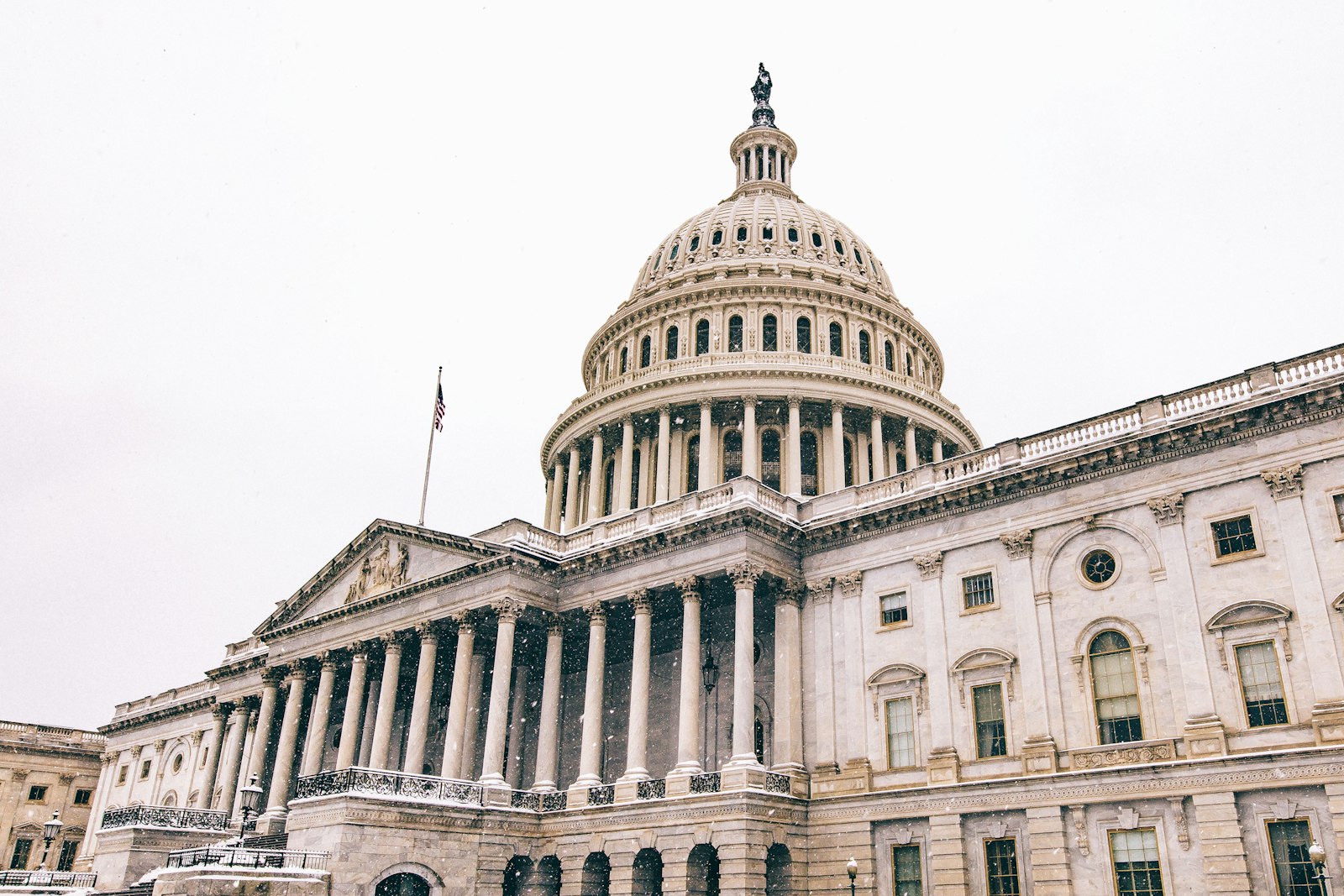
On September 16, the Federal Open Market Committee voted to raise the target range for the federal funds rate by 25 basis points to 3.75 percent to 4 percent, ending a nine-month period of steady rates. The change binds all participants in U.S. credit markets, from banks to consumers, and takes effect as soon as the decision is announced.
Governor Waller explained that the move reflects a "preponderance of evidence over several months" rather than a single data point. After a series of cuts in the second half of 2025, the labor market stabilized while inflation stalled, in part because of a prolonged Middle East conflict that lifted energy prices. Core personal consumption expenditures inflation moderated to 0.1 percent in June and an initial estimate of 0.2 percent in July, later revised to 0.1 percent, but August core PCE rose 0.25 percent month-over-month and 3 percent on a 12-month basis, remaining above the 2 percent target.
Waller also outlined a "signaling" communication approach that would indicate a likely 75-basis-point increase over the next six months without fixing the pace or size of individual hikes. He noted that the Summary of Economic Projections released at the September meeting showed 16 of the 18 participants anticipating at least one more hike this year, with four of those 16 expecting two additional hikes, and eight participants projecting rates 50 basis points higher at the end of 2027.
Futures market pricing as of yesterday reflects an 85 percent chance of at least one hike by the December meeting and a nearly 20 percent chance of two hikes. By the March 2027 meeting, traders see an almost 80 percent chance of at least two hikes and a 33 percent chance of three or more.
Waller concluded that, provided economic data continue on their current path, additional hikes will be needed to bring inflation back to the 2 percent goal, though the timing will remain data-dependent.
Further reading