



IRS extends Form 1099-INT information collection under OMB 1545-0112
Business, government, individuals and nonprofits must continue filing Form 1099-INT; comments accepted through Dec 7 2026
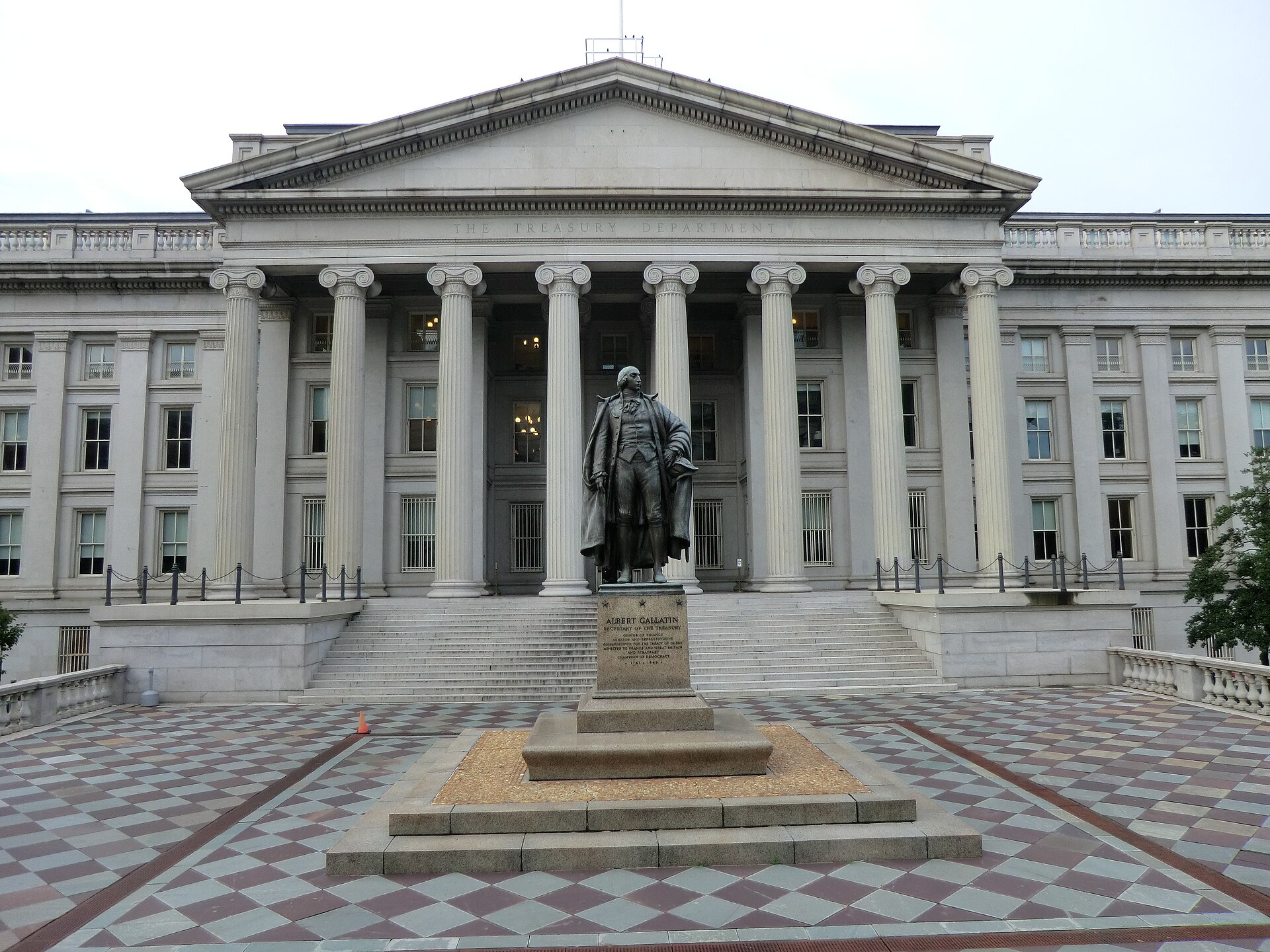
The Internal Revenue Service issued a notice extending the information-collection requirement for reporting interest payments on Form 1099-INT (OMB Control No. 1545-0112). The agency states there is no change to the previously approved collection and that the extension is a continuation of the existing approval.
Under Internal Revenue Code section 6049, payers of interest of $10 or more must file a return showing the aggregate amount paid to a payee. Sections 1.6049-4 and 1.6049-7 of the regulations require Form 1099-INT for this purpose. Additionally, IRC section 6041 and regulation 1.6041-1 require persons paying interest of $600 or more in the course of their trades or businesses to report that interest on the same form. The IRS uses Form 1099-INT to verify compliance with the reporting rules and to confirm that recipients include the correct interest amount on their income-tax returns.
The notice invites written comments on the necessity, burden, quality, clarity, and cost of the collection. Comments must be received on or before December 7, 2026, and addressed to Andres Garcia, IRS, Room 6526, 1111 Constitution Avenue NW, Washington, DC 20224, with "OMB Control No. 1545-0112" in the subject line. Submissions may also be emailed to the protected address provided. Commenters are warned that all submissions become public record. Draft tax forms related to the collection are available at https://www.irs.gov/draft-tax-forms, and additional information may be requested from Kerry Dennis at (202) 317-5751.
The agency estimates 141,555,000 respondents, each spending about 19 minutes per response, for a total annual burden of 46,403,150 hours. The collection affects business or other for-profit organizations, the Federal Government, individuals or households, and not-for-profit institutions.
Further reading